IJMS Free FullText The Complex Mechanism of the Salmonella typhi Biofilm Formation That
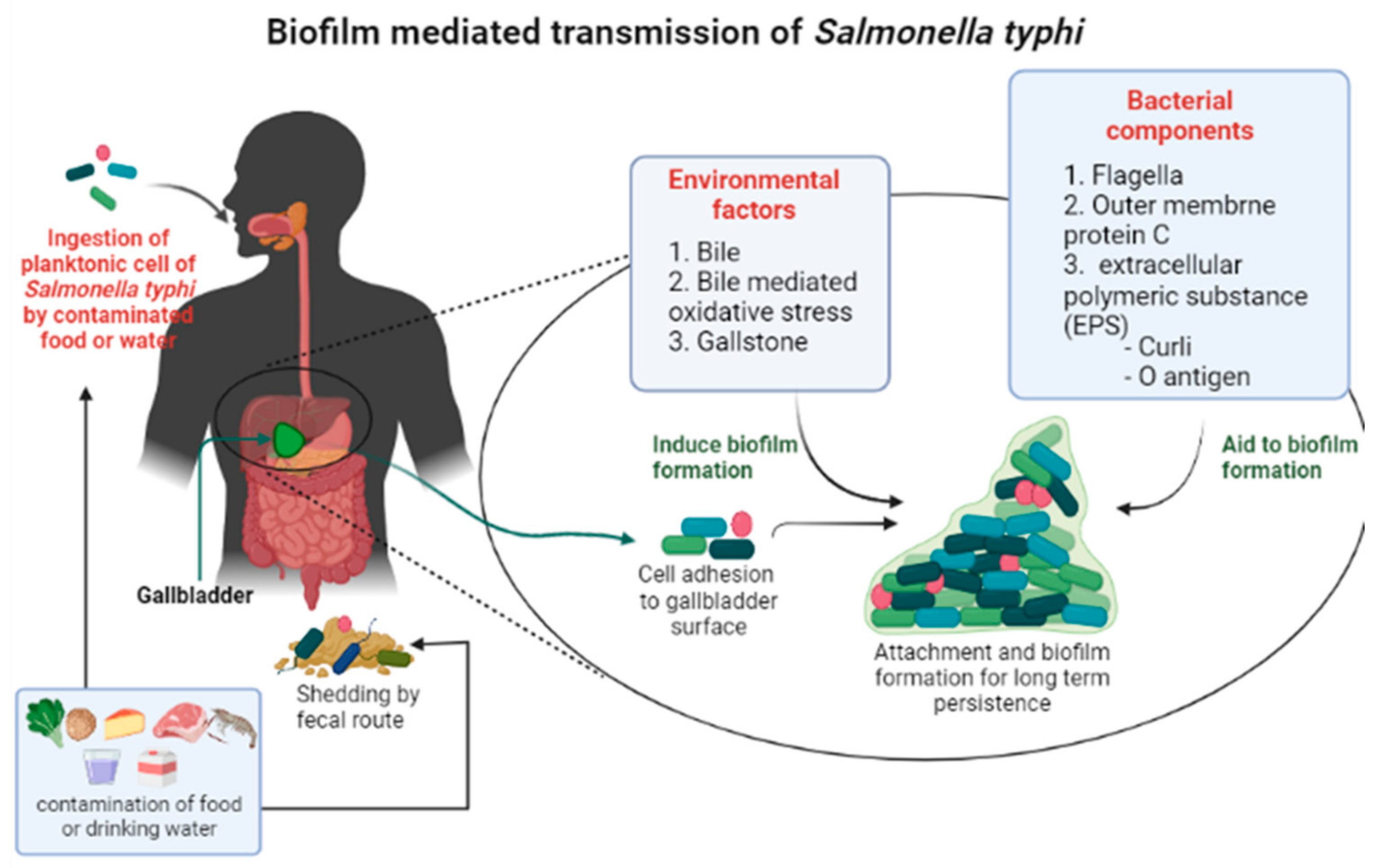
Objective. Typhoid fever, caused by Salmonella enterica serotype Typhi (S. Typhi), is a major human disease responsible for 21.6 million illnesses and 216,000 deaths annually. The pathogenesis of typhoid fever is incompletely understood due to the lack of suitable animal models for the strictly human-adapted S. Typhi.
Dinf_Bac_Salm_fisiop

Salmonella enterica subsp. enterica is a major public health concern, and it is estimated to cause more than 300,000 deaths annually, mostly in developing countries 1,2.On the basis of its surface.
What is Salmonella (Salmonellosis) Causes, Symptoms and Treatment KnowInsiders
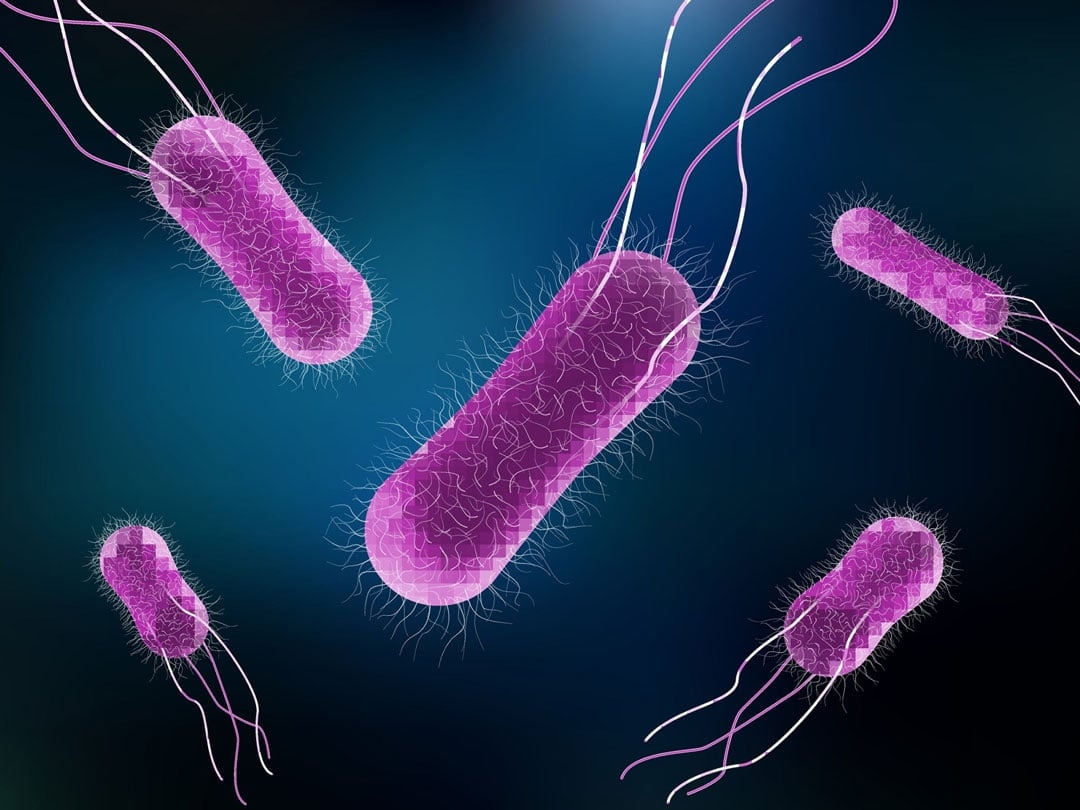
Factores de virulencia de Salmonella typhi en relación al desarrollo de nuevas vacunas. PDF.
Salmonellose infections. Microbiological characteristic and diagnostic online presentation
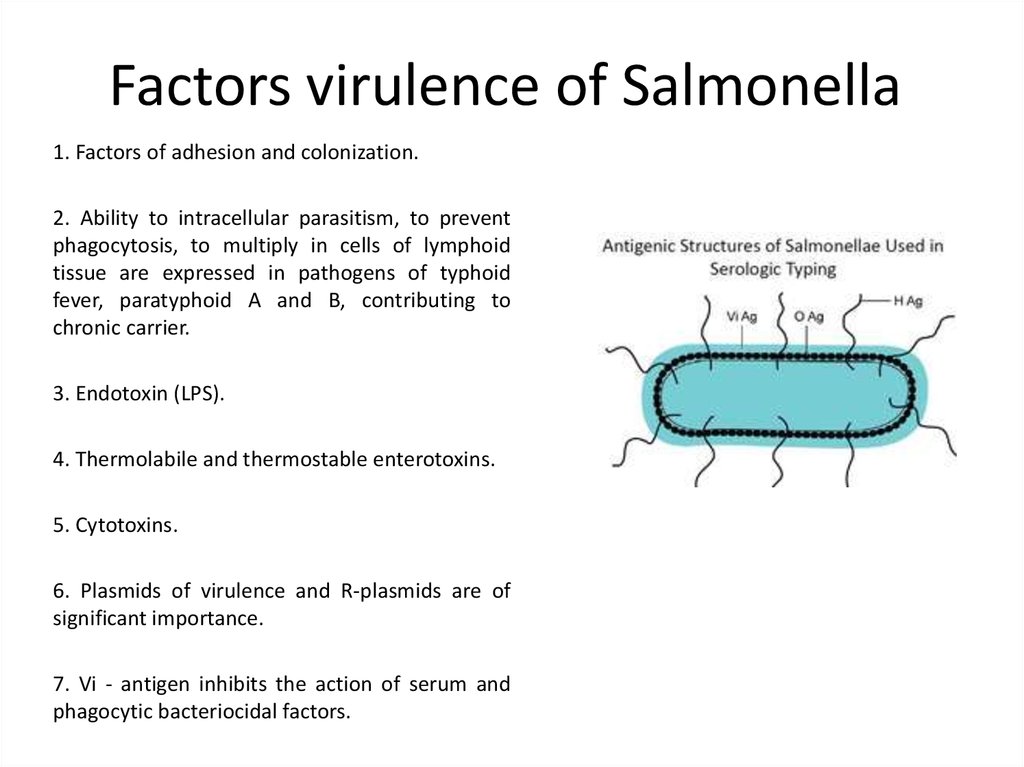
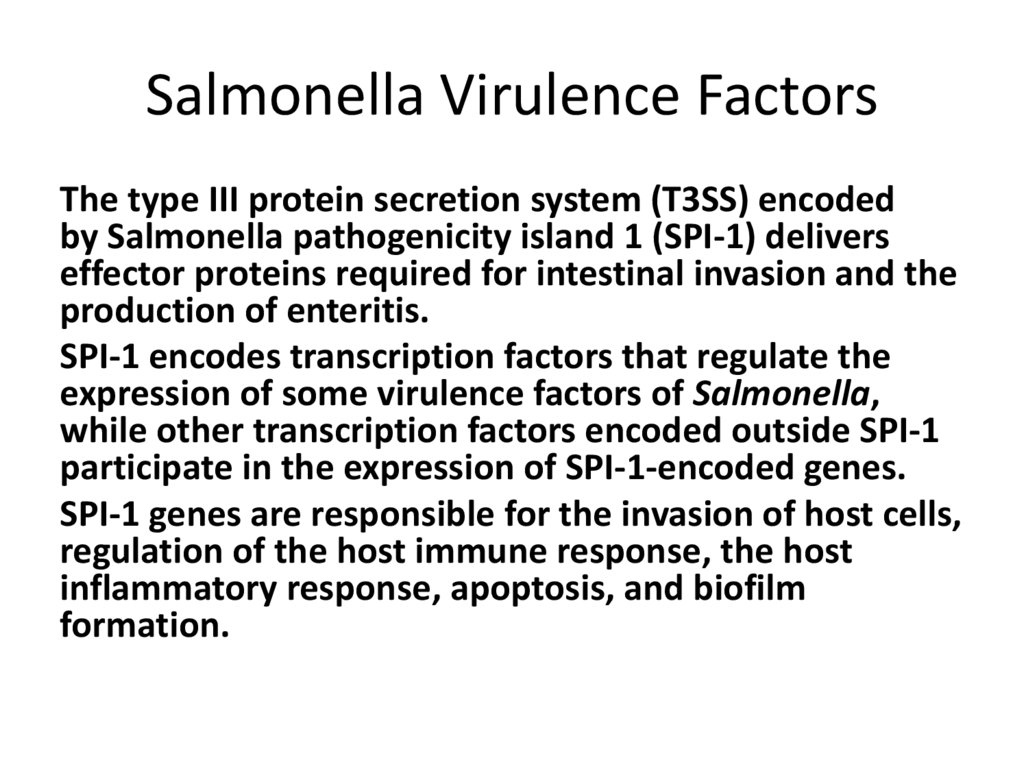
Notably, S. Typhi has specific virulence factors, including typhoid toxin and Vi antigen, involved in symptom development and immune evasion, respectively. In addition to unique virulence factors, both typhoidal and NTS rely on two pathogenicity-island encoded type III secretion systems (T3SS), the SPI-1 and SPI-2 T3SS, for invasion and.
TLR Signaling Is Required for Salmonella typhimurium Virulence Cell

Author summary The distribution of virulence factors in S. Typhi can vary in isolates from different geographical regions and can have significant effect on the disease control. In this study, we have checked the distribution of 56 reported virulence associated factors in 35 local isolates of S. Typhi to identify any variations that can help in designing effective control strategies for.
PPT INTRODUCCIÓN A LA INMUNOLOGÍA PowerPoint Presentation, free download ID2018151

Salmonella enterica serovar Typhi (S. Typhi), the cause of typhoid fever in humans, continues to be a very significant health problem. It is estimated that there are 16,000,000 cases of typhoid fever every year, resulting in 600,000 deaths. Although most of the cases occur in developing countries, outbreaks occasionally occur in the United.
Enteric bacterial pathogens презентация онлайн
Typhi is strictly human adapted, S.Typhimurium, a natural pathogen of mice became the most widely used bacterium to understand pathogenesis and immunity in several inbred strains (e.g., C57BL6/J.
13. Salmonella spp

S. Typhi is an enteric bacillus which belongs,to the genus Salmonella in the family Enterobacteriacaea and it is a multi-organs pathogen which inhibits the lymphatic tissues of the small intestine, liver, spleen, and blood stream of infected humans. S. Typhi has a mixture of features that make it an efficient pathogen. This species contains an endotoxin that is characteristic of Gram.
13. Salmonella spp

FACTORES DE VIRULENCIA. Capa polisacárida que protege a las bacterias de fagocitocis y del efecto bactericida del suero, les otorga más virulencia les da antigenicidad al poseer el antígeno K. Conformada por lipopolisacáridos, fosfolípidos y proteínas. Contiene el antígeno O, el núcleo y el lípido A asociado a la endotoxina.Monocapa.
Salmonella Typhimurium Treatment Options Health n
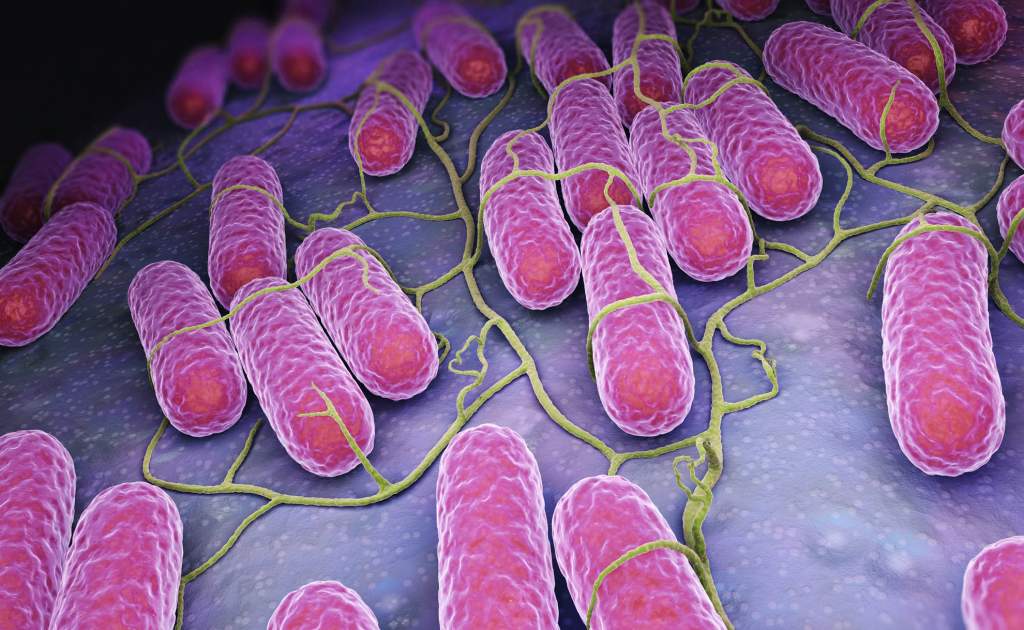
Corpus ID: 70837544; Factores de virulencia de Salmonella typhi en relación al desarrollo de nuevas vacunas @article{Garca1992FactoresDV, title={Factores de virulencia de Salmonella typhi en relaci{\'o}n al desarrollo de nuevas vacunas}, author={Jos{\'e} Antonio D{\'i}az Garc{\'i}a and Jorge Garc{\'i}a Paniagua and Rosa Mar{\'i}a Moreno Pelayo and Armando Isibasi and Jes{\'u}s Kumate.
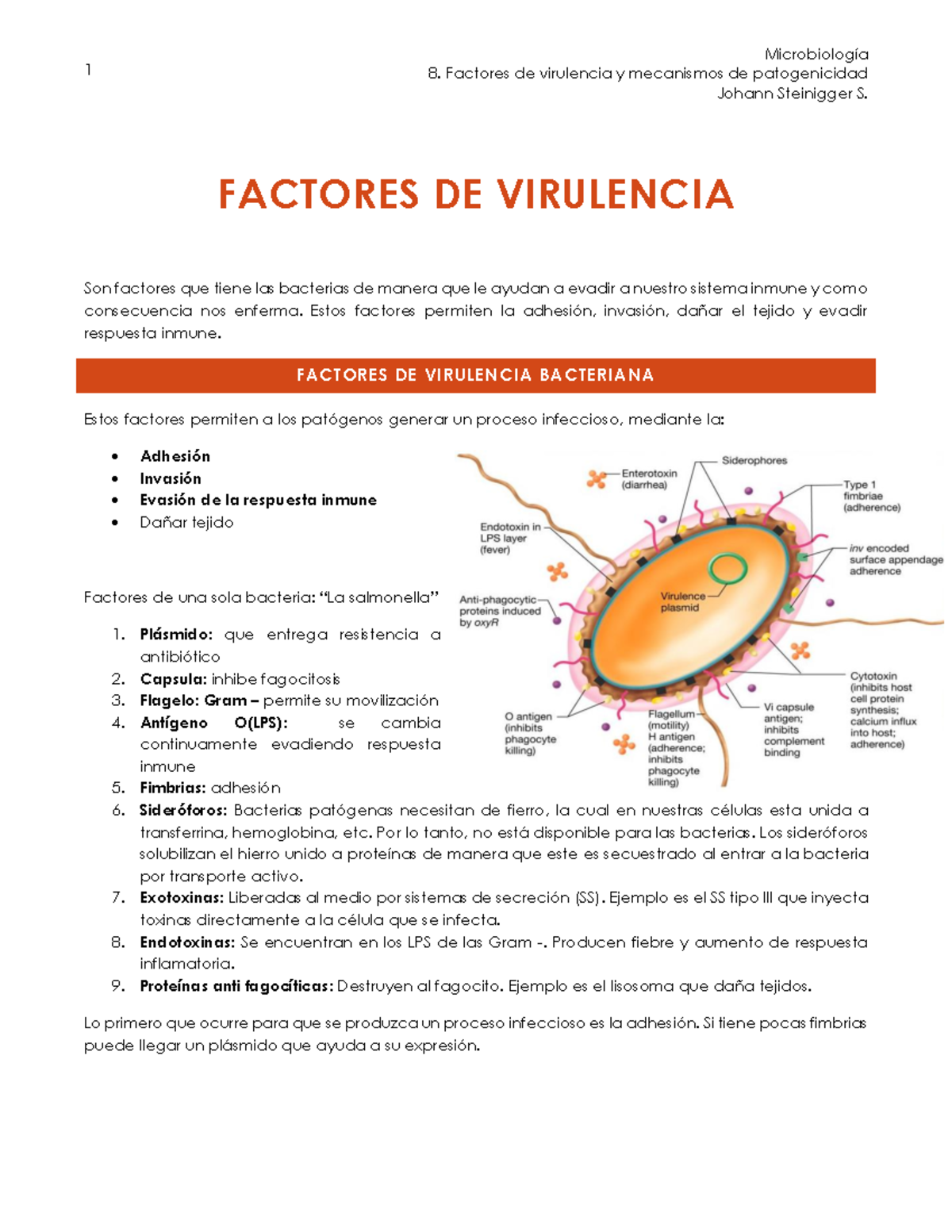
8. Factores de virulencia 1 FACTORES DE VIRULENCIA Son factores que tiene las bacterias de
El equipo del proyecto SALMOVIR, financiado con fondos europeos, investigó la contribución de la movilidad bacteriana y el sistema de secreción de tipo III sobre la virulencia de la salmonela. El objetivo a largo plazo fue describir los mecanismos moleculares que intervienen en la virulencia y diseñar nuevas estrategias terapéuticas.
Salmonelosis Alteraciones de la Replicación o en la genómica de la Salmonelosis

La fiebre tifoidea es una enfermedad infecciosa potencialmente mortal causada por la bacteria Salmonella Typhi, que suele transmitirse a través del agua y los alimentos contaminados. Una vez ingerida, S. Typhi se multiplica y pasa al torrente circulatorio. La urbanización y el cambio climático podrían incrementar la carga mundial de fiebre.
Enterobacterias altajimenez segunda version

Salmonellosis is a common infectious disease in humans caused by Salmonella spp., which in recent years has shown an increase in its incidence, with products of avian origin being a common source of transmission. To present a successful infective cycle, there are molecular mechanisms such as virulence factors that provide characteristics that facilitate survival, colonization, and damage to.
Modelo esquemático de infección por Salmonella enterica. Tomado y... Download Scientific Diagram

Virulenc e factor s of Salmonella Typhi. Virulence factors in Salmonella Typhi are involved in the various stages of infection, namely: the pr oduction of to xins (LPS) endot oxin, ente rotoxin.
SALMONELLA ¿QUE ES? Y QUE BACTERIA LA PRODUCE
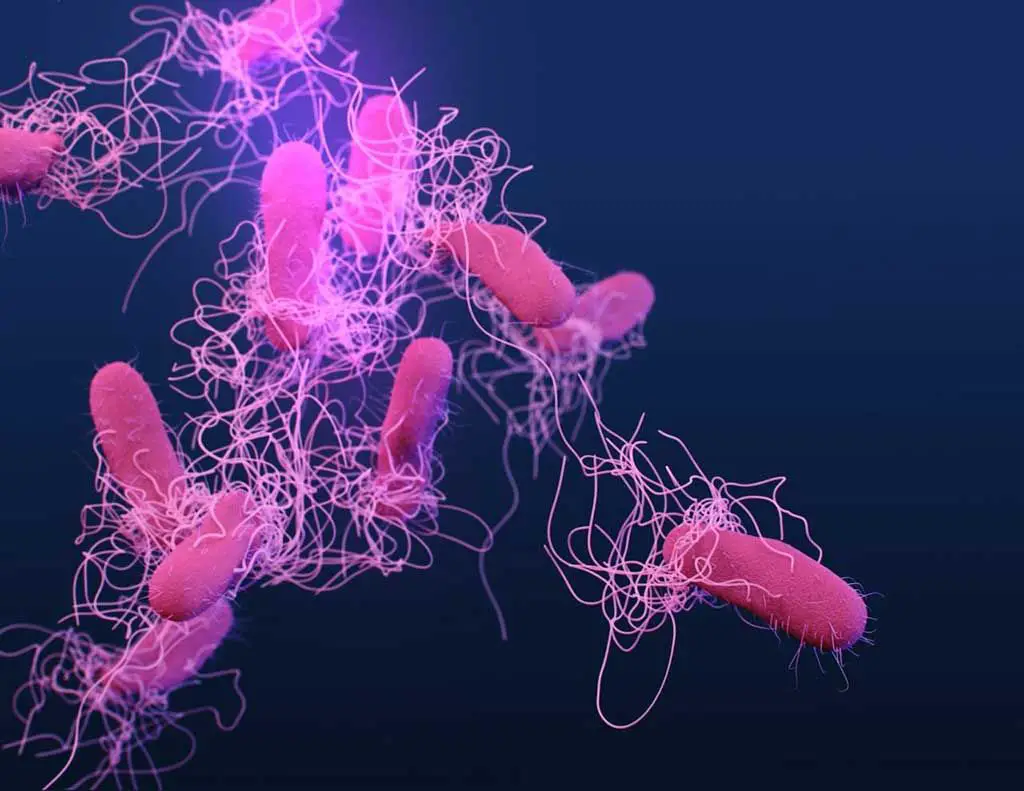
Although nontyphoidal Salmonella (NTS; including Salmonella Typhimurium) mainly cause gastroenteritis, typhoidal serovars (Salmonella Typhi and Salmonella Paratyphi A) cause typhoid fever, the treatment of which is threatened by increasing drug resistance. Our understanding of S.Typhi infection in human remains poorly understood, likely due to the host restriction of typhoidal strains and the.
PPT GÉNERO SALMONELLA PowerPoint Presentation, free download ID5319849

1. Introduction. Salmonella enterica serovar Typhi (S. Typhi) is a facultative intracellular pathogen that causes typhoid fever in humans (the only known natural hosts and reservoir of infection) (Mweu and English 2008).The organisms are noncapsulated, nonsporulating, Gram-negative anaerobic bacilli, which have characteristic flagellar, somatic, and outer coat antigens (Shahane et al. 2007).
.